How Modern Office Interiors Improve Productivity & Employee Experience


In today’s fast-paced corporate world, the office is no longer just a place to work—it is an environment that shapes productivity, creativity, and employee well-being. Modern office interior design has evolved from traditional cubicles and rigid layouts to dynamic workspaces that inspire collaboration and efficiency.
Companies are now investing in thoughtfully designed interiors because they understand that the right workspace directly impacts employee performance, satisfaction, and company culture. A well-planned office environment can increase productivity, improve morale, and create a strong brand identity.
At Officiya, modern office design focuses on balancing aesthetics, functionality, and employee comfort to create spaces where businesses thrive.
The Shift Towards Modern Office Design
Traditional office layouts often emphasized hierarchy and separation. Closed cabins, dull colors, and limited interaction between employees were common features.
However, the modern workplace embraces openness, flexibility, and innovation. Businesses now prefer layouts that encourage communication while still offering areas for focused work.
Modern office interiors typically include:
Open workstations
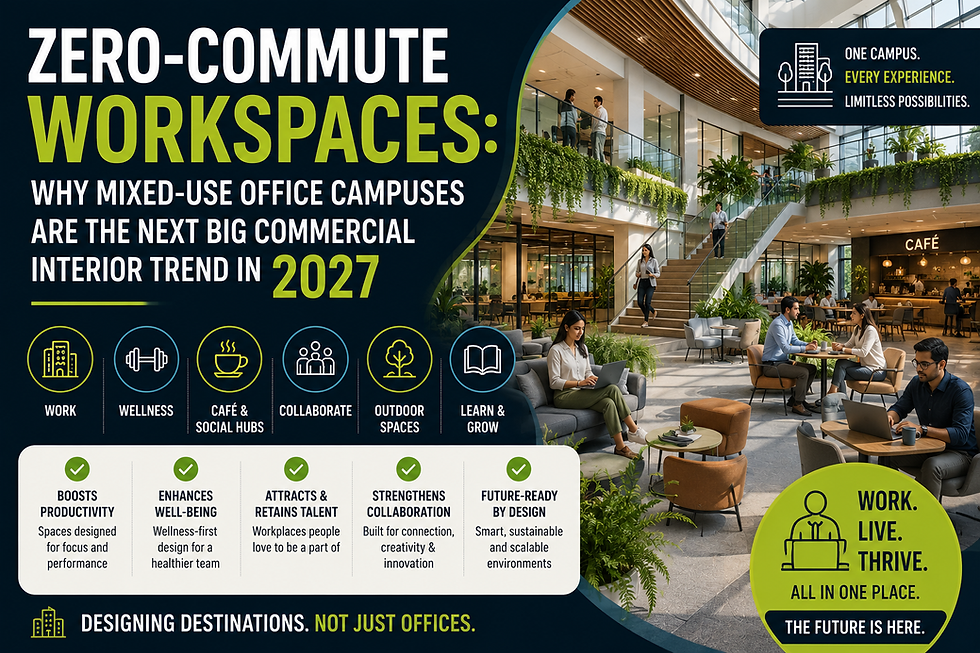
Collaborative zones
Comfortable breakout spaces
Smart lighting systems
Ergonomic furniture
Sustainable materials
These elements collectively create an environment where employees feel motivated and engaged throughout the workday.
The Role of Ergonomics in Workplace Productivity
One of the most important aspects of modern office interiors is ergonomics. Employees spend long hours sitting at desks, and poorly designed furniture can lead to discomfort, fatigue, and health issues.
Ergonomic workstations help maintain proper posture and reduce strain on the body. Adjustable chairs, height-optimized desks, and well-placed screens contribute to a healthier working experience.
When employees are physically comfortable, they can concentrate better, resulting in improved efficiency and reduced workplace stress.
Lighting Design and Its Impact on Performance
Lighting plays a powerful role in shaping the workplace atmosphere. Poor lighting can cause eye strain, fatigue, and decreased focus.
Modern offices are increasingly integrating smart lighting systems that mimic natural daylight and adjust brightness levels throughout the day. This approach helps regulate circadian rhythms, improving alertness and energy levels.
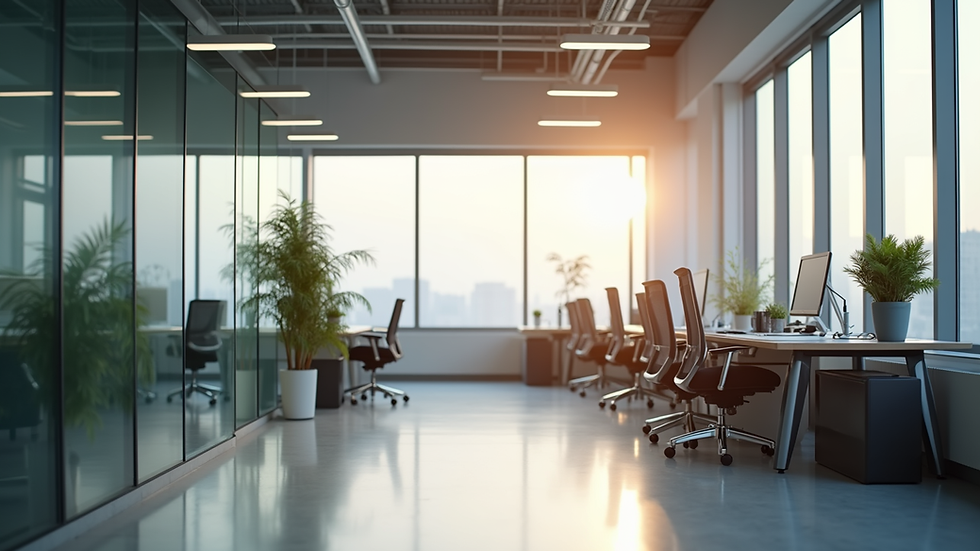
Natural light is also a key component in office design. Large windows, glass partitions, and open layouts allow sunlight to flow through the workspace, creating a brighter and more inviting environment.
Proper lighting not only enhances visual comfort but also positively affects mood and productivity.
Collaborative Spaces Encourage Innovation
Innovation often happens when people share ideas and interact freely. That’s why collaborative zones have become a central feature of modern office interiors.
These spaces may include:
Informal meeting lounges
Brainstorming corners
Conference rooms with digital displays
Relaxed seating areas
Such environments encourage teamwork and creative thinking. Employees can move away from their desks to discuss ideas, conduct quick meetings, or simply recharge their minds.
By designing spaces that support interaction, companies can foster a culture of collaboration and innovation.
The Importance of Aesthetic Design
Visual appeal is another key element of office interiors. A workspace that looks modern and sophisticated reflects the company’s brand identity and values. Interior designers carefully select materials, colors, textures, and finishes to create a cohesive design language.
Neutral tones combined with bold accents are commonly used in modern office design. Wooden textures, metal finishes, and glass elements add depth and elegance to the environment. A visually appealing workspace not only impresses clients but also makes employees feel proud of where they work.
Sustainable Materials in Modern Workspaces
Sustainability is becoming a major priority in office interior design. Businesses are increasingly choosing eco-friendly materials and energy-efficient solutions to reduce their environmental impact.
Some sustainable design practices include:
Using natural wood and recycled materials
Installing energy-efficient lighting
Incorporating indoor plants for better air quality
Designing spaces that maximize natural ventilation
These practices create healthier workplaces while also contributing to environmental responsibility.
Creating Flexible Work Environments
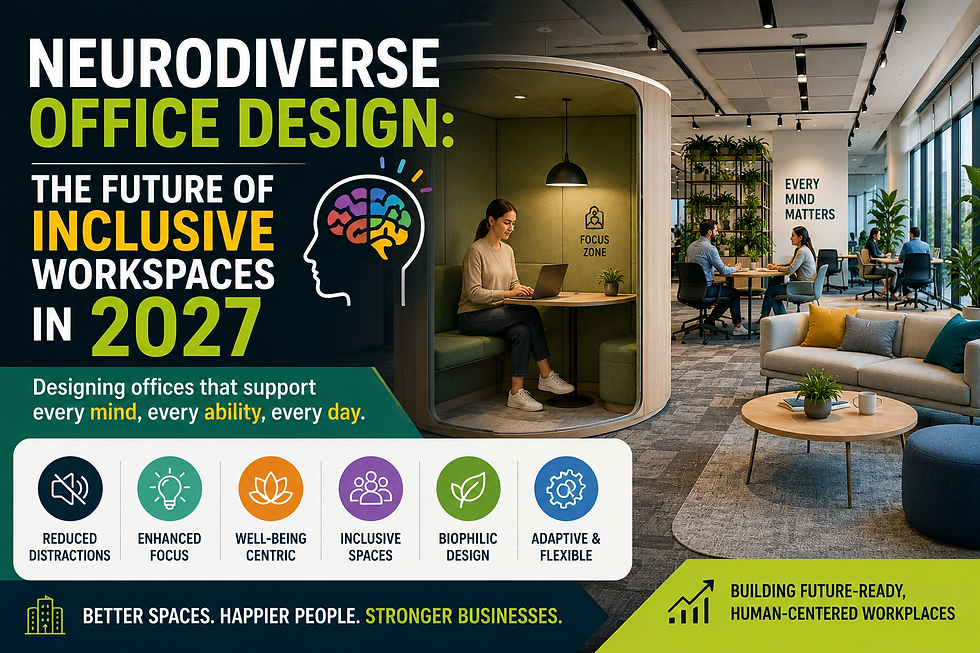
The modern workplace must adapt to different working styles. Some employees perform best in quiet spaces, while others thrive in collaborative environments.
Flexible office layouts allow businesses to accommodate these diverse needs. Modular furniture, movable partitions, and multi-functional spaces enable companies to transform their workspace easily.
This flexibility ensures that the office remains efficient and relevant as teams grow and work patterns evolve.
Office Design as a Brand Statement
Office interiors also serve as a powerful branding tool. The design of a workspace communicates the company’s culture, professionalism, and vision. From the reception area to executive cabins and meeting rooms, every detail contributes to the overall brand experience.
A well-designed office can leave a lasting impression on clients, partners, and potential employees. It signals that the company values quality, creativity, and innovation.
The Future of Office Interior Design
As technology and work culture continue to evolve, office interiors will become even more intelligent and adaptive.
Future workplaces may feature:
AI-controlled lighting and climate systems
Smart desks with built-in connectivity
Biophilic design elements that connect people with nature
Hybrid workspaces supporting both remote and in-office teams
The goal will remain the same: creating environments that enhance productivity while prioritizing human well-being.
Designing the Perfect Workspace
A successful office interior is not just about aesthetics—it is about creating a space where people feel inspired to work, collaborate, and grow. Professional design planning ensures that every aspect of the workspace—from layout and lighting to materials and furniture—works together seamlessly.
With thoughtful design and strategic planning, businesses can transform their offices into powerful environments that drive performance and creativity.
✅ Conclusion
Modern office interiors are redefining how businesses operate. By combining ergonomic design, smart lighting, collaborative zones, and sustainable materials, companies can create workspaces that enhance productivity and employee satisfaction.
A well-designed office is more than just a workplace—it is a strategic investment in people, culture, and long-term success.
Comments