Smart Office Interior Design: Creating Productive and Future-Ready Workspaces


The modern workplace has evolved far beyond traditional office setups filled with rows of desks and cubicles. Today, businesses understand that the design of an office directly impacts productivity, creativity, collaboration, and employee well-being. This shift has led to the rise of smart office interior design, where technology, ergonomics, and aesthetics work together to create efficient and inspiring workspaces.
A thoughtfully designed office environment not only improves workflow but also reflects the brand identity and culture of a company. Organizations that invest in modern interior design often experience improved employee satisfaction, stronger collaboration, and a more professional impression for clients and visitors.
At Officiya, smart office interior design focuses on creating workspaces that combine innovation, comfort, and functionality to meet the evolving needs of modern businesses.
What is Smart Office Interior Design?
Smart office interior design refers to the integration of modern design principles, technology, ergonomic furniture, and efficient layouts to create workplaces that support productivity and flexibility.
Instead of rigid layouts, smart offices prioritize:
• Flexible workspaces
• Collaborative zones
• Technology integration
• Comfortable and ergonomic furniture
• Sustainable materials
• Efficient lighting and ventilation
The goal is to create an environment where employees feel comfortable, focused, and motivated throughout the workday.
Why Smart Office Design Matters
Office design plays a crucial role in how employees interact with their workspace. A poorly designed office can lead to discomfort, distractions, and reduced productivity. On the other hand, a well-planned workspace improves efficiency and encourages innovation.
1. Improves Productivity
When employees work in a well-organized and comfortable environment, they can focus better and perform tasks more efficiently.
2. Enhances Employee Well-Being
Ergonomic furniture, proper lighting, and comfortable seating help reduce physical strain and improve overall health.
3. Encourages Collaboration
Modern office layouts include collaborative spaces where teams can brainstorm and share ideas.
4. Reflects Brand Identity
The office environment communicates a company’s values, culture, and professionalism to visitors and clients.
Key Elements of Smart Office Interior Design
Designing a smart office requires careful planning and attention to detail. Several elements contribute to creating an efficient and modern workspace.
1. Ergonomic Workstations
Comfortable workstations are essential for maintaining employee productivity and well-being. Ergonomic chairs, adjustable desks, and proper monitor placement help reduce fatigue and prevent long-term health issues.
Well-designed workstations also ensure employees have enough space to work comfortably without feeling cramped.
2. Flexible Workspaces
The modern office needs to support different types of work activities. Smart office design includes a variety of spaces such as:
• Open workstations
• Meeting rooms
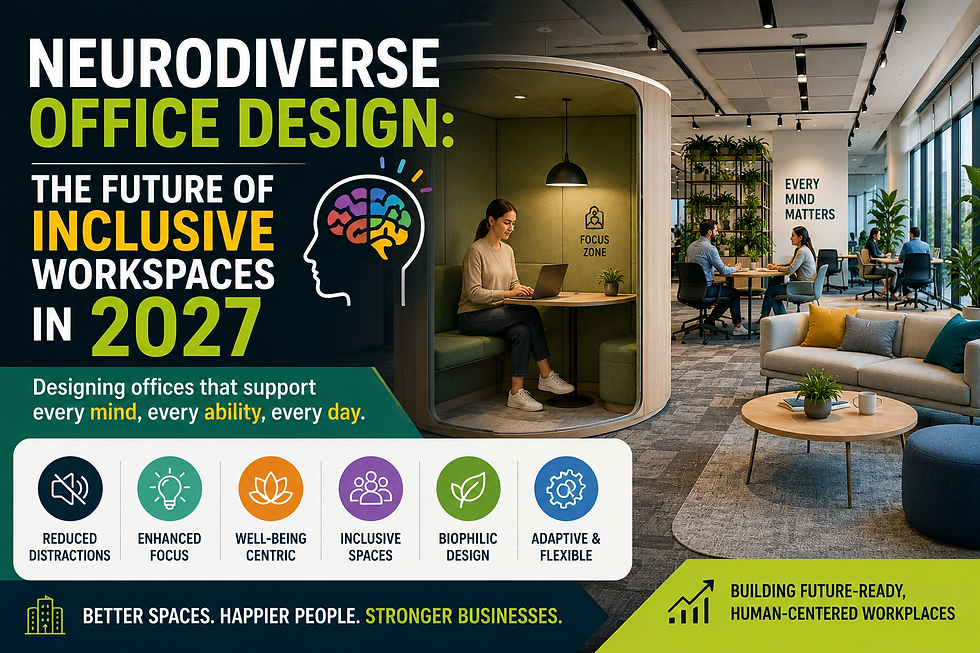
• Quiet focus zones
• Breakout areas
• Informal collaboration spaces
These flexible areas allow employees to choose the environment that best suits their tasks.
3. Smart Lighting Solutions
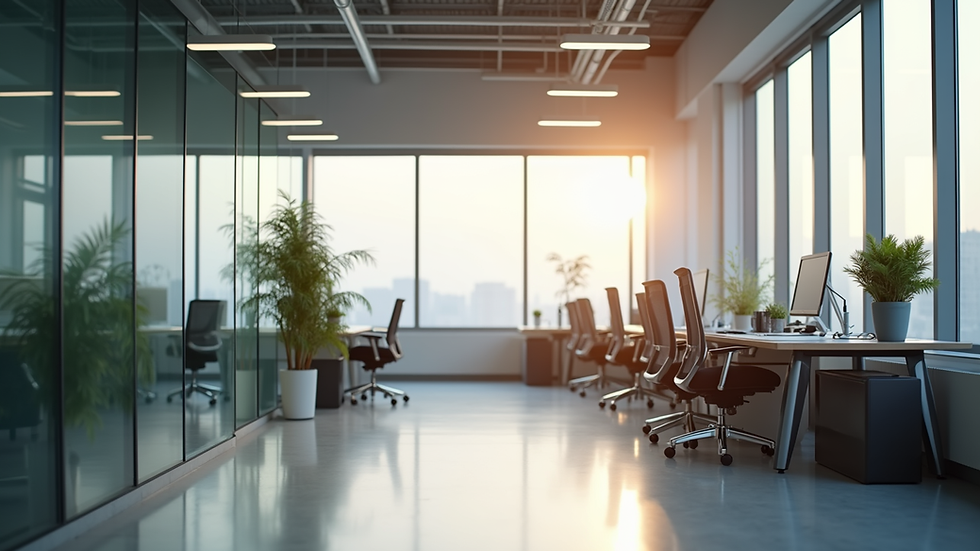
Lighting plays a major role in office productivity. Natural light is one of the most effective ways to improve employee mood and focus.
Smart office lighting includes:
• LED lighting systems
• Motion-sensor lighting
• Adjustable brightness controls
• Task lighting for workstations
Proper lighting reduces eye strain and creates a comfortable working environment.
4. Technology Integration
Modern offices rely heavily on technology, making it important to integrate smart solutions into the workspace design.
Examples include:
• Wireless charging stations
• Smart conference room systems
• Video conferencing setups
• Automated lighting and climate control
These technologies make office operations more efficient and convenient.
5. Biophilic Design Elements
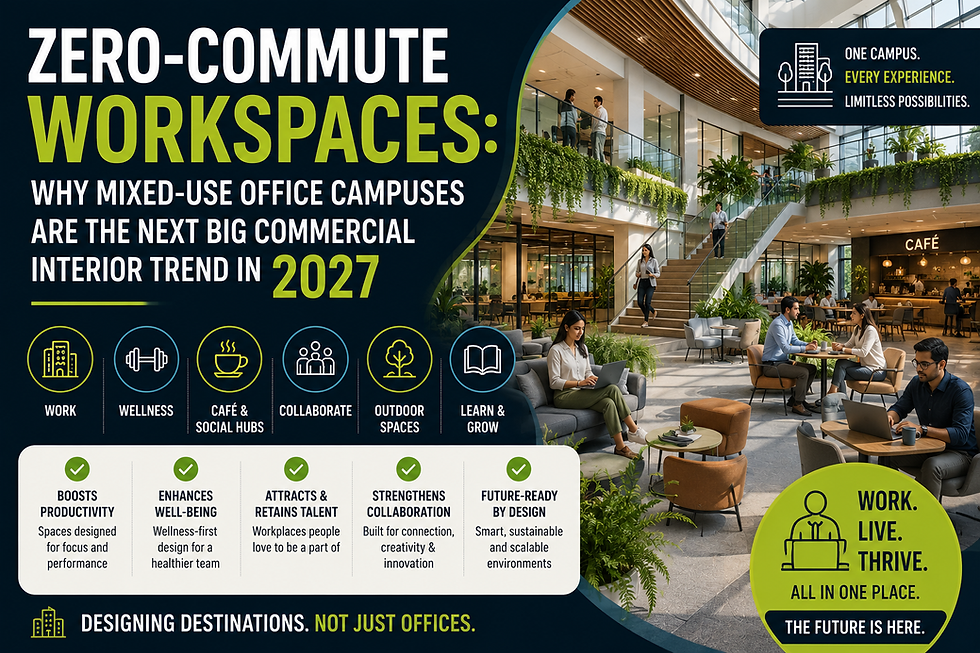
Bringing natural elements into the office environment is another key aspect of smart office design. Plants, natural materials, and daylight create a refreshing and calming atmosphere.
Benefits of biophilic design include:
• Reduced stress levels
• Improved creativity
• Better air quality
• Increased employee satisfaction
Adding indoor plants, natural textures, and green walls can significantly enhance the workplace experience.
6. Smart Storage Solutions
Clutter can negatively impact productivity and make the workspace feel chaotic. Smart storage solutions help maintain an organized office.
These may include:
• Modular storage cabinets
• Under-desk drawers
• Shared storage zones
• Built-in shelving units
Efficient storage keeps workspaces clean and visually appealing.
Modern Office Layout Trends
Office interior design trends are constantly evolving to meet the changing needs of businesses.
Some of the most popular modern office trends include:
Open-Plan Workspaces
Open layouts encourage communication and teamwork while maximizing space utilization.
Hybrid Workspaces
With hybrid work models becoming more common, offices are designed to accommodate both in-office and remote collaboration.
Collaborative Zones
Dedicated areas for brainstorming and group discussions help teams share ideas more effectively.
Breakout Spaces
Comfortable lounges or relaxation zones allow employees to recharge and reduce stress.
Creating a Balance Between Design and Function
While aesthetics is important, office design should always prioritize functionality. A visually appealing office that lacks proper planning may create workflow issues.
Smart office design focuses on achieving the perfect balance between:
• Visual appeal
• Employee comfort
• Workflow efficiency
• Brand representation
By combining these elements, businesses can create workspaces that are both beautiful and practical.
How Office Design Influences Company Culture
The workplace environment has a strong influence on company culture. Offices designed with collaboration and transparency in mind encourage open communication and teamwork.
Spaces that include relaxation zones, creative areas, and comfortable meeting rooms create a positive and engaging atmosphere for employees.
A well-designed office also demonstrates that the company values its employees and is invested in their well-being.
The Future of Office Interior Design
As technology continues to evolve, the future of office design will become even more dynamic. Smart offices will likely include advanced automation systems, flexible furniture solutions, and highly adaptable layouts.
Sustainability will also play a major role, with businesses choosing eco-friendly materials, energy-efficient lighting, and green building practices.
Companies that adopt this modern design strategies will be better prepared for the changing nature of work.
Conclusion
Smart office interior design is more than just an aesthetic upgrade—it is a strategic investment in productivity, employee satisfaction, and brand identity.
By integrating ergonomic furniture, smart technology, flexible layouts, and natural design elements, businesses can create workspaces that inspire creativity and efficiency.
At Officiya, we specialize in designing modern offices that combine functionality, innovation, and sophisticated aesthetics. Our goal is to transform workplaces into environments where teams can thrive and businesses can grow.
A well-designed office is not just a place to work—it is a space that shapes the future of your organization.
Comments