The Future of Adaptive Office Design: Transforming Workspaces in Delhi NCR

The modern workplace is evolving faster than ever. As businesses adapt to changing employee expectations, technological advancements, and hybrid work models, office interiors are no longer just about desks and meeting rooms. In 2027, adaptive office design is emerging as one of the most influential trends in commercial interiors, helping organizations create flexible, efficient, and future-ready workspaces.
What Is Adaptive Office Design?
Adaptive office design focuses on creating work environments that can easily evolve with changing business needs. Rather than fixed layouts, these offices incorporate flexible furniture, modular workstations, movable partitions, and multi-functional spaces that support various work styles.
Companies are realizing that a workspace should accommodate collaboration, focused work, client interactions, and employee wellness—all within the same environment.
Why Adaptive Workspaces Matter
Today's workforce values flexibility. Employees expect workplaces that support productivity, creativity, and comfort. Adaptive office interiors help organizations:
Improve employee satisfaction
Increase workplace efficiency
Support hybrid work models
Optimize space utilization
Reduce future renovation costs
Enhance brand perception
Businesses that invest in adaptable office interiors are better positioned to respond to growth, organizational changes, and evolving work patterns.
Key Trends Shaping Adaptive Office Design
1. Modular Furniture Systems
Modular furniture allows spaces to be reconfigured quickly based on team requirements. Workstations, collaboration zones, and meeting areas can be adjusted without major construction work.
2. Multi-Purpose Spaces
Modern offices are replacing single-use rooms with flexible environments that serve multiple functions throughout the day. A meeting room can transform into a training space or a collaborative workshop area.
3. Technology-Integrated Workspaces
Smart office technology is becoming a standard feature. Automated lighting, occupancy sensors, room-booking systems, and integrated communication tools improve efficiency while enhancing the employee experience.
4. Wellness-Centered Design
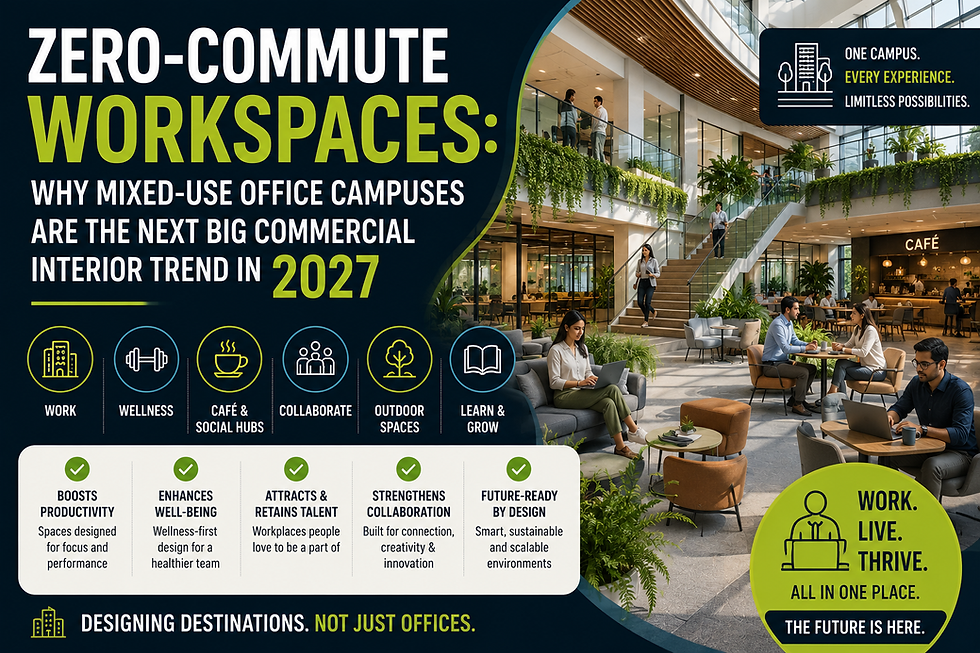
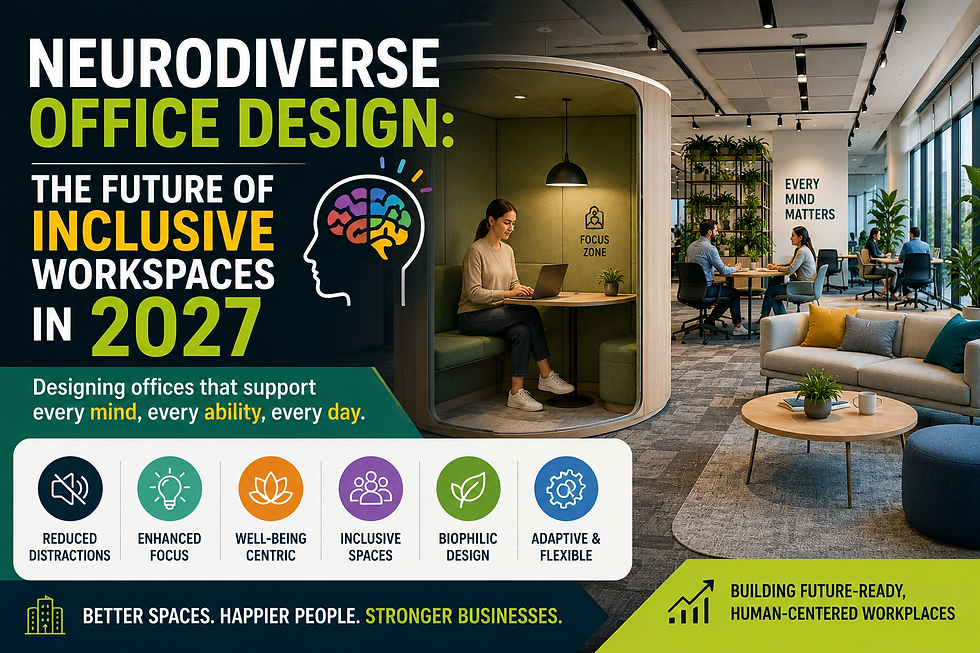
Employee well-being continues to drive workplace decisions. Natural lighting, indoor plants, ergonomic furniture, acoustic solutions, and wellness zones are becoming essential components of office interiors.
5. Sustainable Design Solutions
Organizations are increasingly adopting environmentally responsible practices. Sustainable materials, energy-efficient systems, and eco-friendly furniture contribute to healthier workplaces and reduced environmental impact.
The Business Impact of Adaptive Design
Adaptive office interiors deliver measurable business benefits. Flexible workspaces enhance collaboration, foster innovation, and cultivate a positive company culture. They also provide long-term value by reducing the need for costly redesigns as businesses grow and evolve.
Companies that prioritize workplace adaptability often experience stronger employee engagement, improved talent retention, and enhanced operational efficiency.
Creating Inspiring Work Environments
In today's fast-paced world, creating an inspiring work environment is crucial. An adaptive office design can significantly impact employee morale and productivity. By incorporating elements that reflect the company's brand identity, businesses can create spaces that resonate with their values and mission.
The Role of Branding in Office Design
Brand identity plays a vital role in office design. An inspiring workspace should reflect the company's culture and values. This alignment can boost employee pride and motivation.
Enhancing Collaboration and Communication
Collaboration is key to innovation. Adaptive office designs facilitate communication among team members. Open spaces, breakout areas, and informal meeting spots encourage spontaneous interactions, leading to creative solutions.
Emphasizing Employee Well-Being
A focus on employee well-being is essential. Incorporating wellness features into office design can lead to healthier, happier employees. This focus can include fitness areas, relaxation zones, and access to natural elements.
Conclusion
As workplace expectations continue to evolve, adaptive office design is becoming the foundation of successful commercial interiors. Businesses that embrace flexibility, technology, sustainability, and employee well-being will create workspaces that remain relevant and productive for years to come.
At Officiya, we design future-ready office interiors that adapt to your business needs while creating inspiring environments where people and organizations thrive. By transforming your workspace, you can boost productivity and reflect your brand identity.
For more insights on how to create modern, functional, and inspiring commercial spaces, check out our resources on adaptive office design.
Comments