Trending Commercial Interior Design in 2026: Shaping the Future of Workspaces


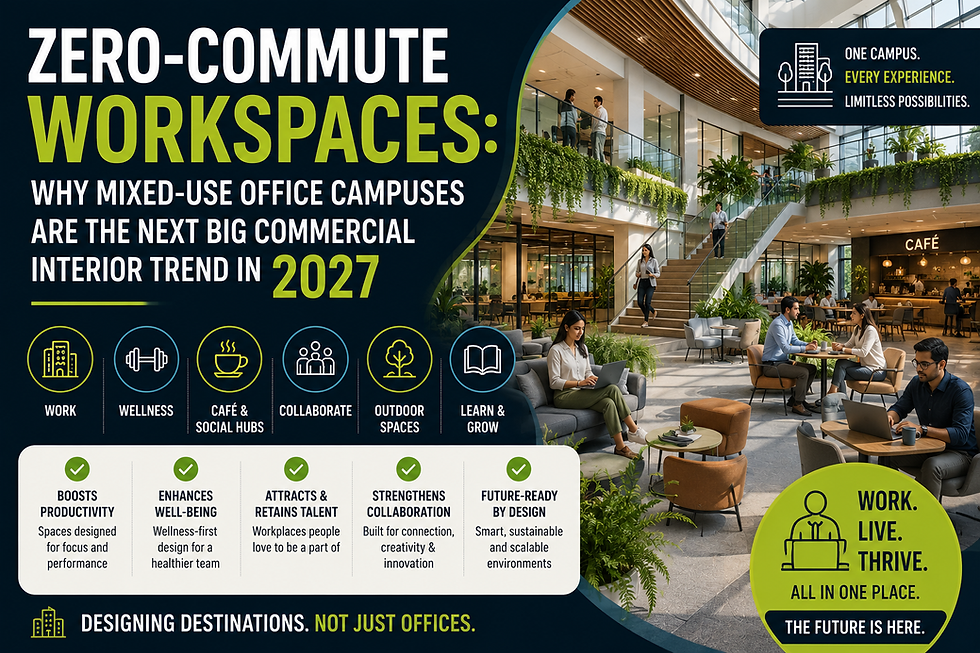
Commercial interior design is rapidly evolving to match modern business needs, hybrid work culture, and employee expectations. Today’s trending commercial spaces focus on flexibility, sustainability, technology integration, and human-centered design.
Businesses are no longer investing only in aesthetics — they are building environments that improve productivity, collaboration, and brand identity.
Here are the top trends shaping commercial interior design in 2026.
1. Hybrid-Ready Workspaces
With hybrid work becoming the new standard, offices must support both in-person and remote collaboration. Trending commercial interiors include:
Flexible seating arrangements
Modular workstations
Multi-purpose meeting rooms
Technology-enabled conference spaces
Movable partitions and adaptable layouts allow companies to reconfigure spaces as needed, making offices future-proof and scalable.
2. Biophilic & Nature-Inspired Design
Biophilic design continues to dominate commercial interiors. Incorporating natural elements improves employee well-being, reduces stress, and increases focus.
Popular elements include:
Indoor plants and green walls
Natural light optimization
Wooden textures and earthy materials
Water features and organic shapes
Workspaces connected to nature feel healthier, calmer, and more inspiring.
3. Smart Technology Integration
Modern commercial interiors are becoming smarter. Technology is seamlessly integrated into design rather than added later.
Trending features include:
Smart lighting systems
Automated climate control
Touchless access systems
Digital collaboration tools
Cable-free desk solutions
Technology-driven offices improve efficiency while maintaining clean and minimal aesthetics.
4. Sustainable & Eco-Friendly Materials
Sustainability is no longer optional — it is essential. Businesses are choosing environmentally responsible materials to reduce carbon footprints and operational costs.
Trending sustainable practices include:
Recycled and low-VOC materials
Energy-efficient lighting
Sustainable furniture sourcing
Waste-reducing design strategies
Green certifications and eco-conscious interiors enhance brand reputation and long-term value.
5. Wellness-Focused Design
Employee well-being is now a top priority in commercial interiors. Companies are creating spaces that support physical and mental health.
Key wellness design elements:
Ergonomic furniture
Dedicated relaxation zones
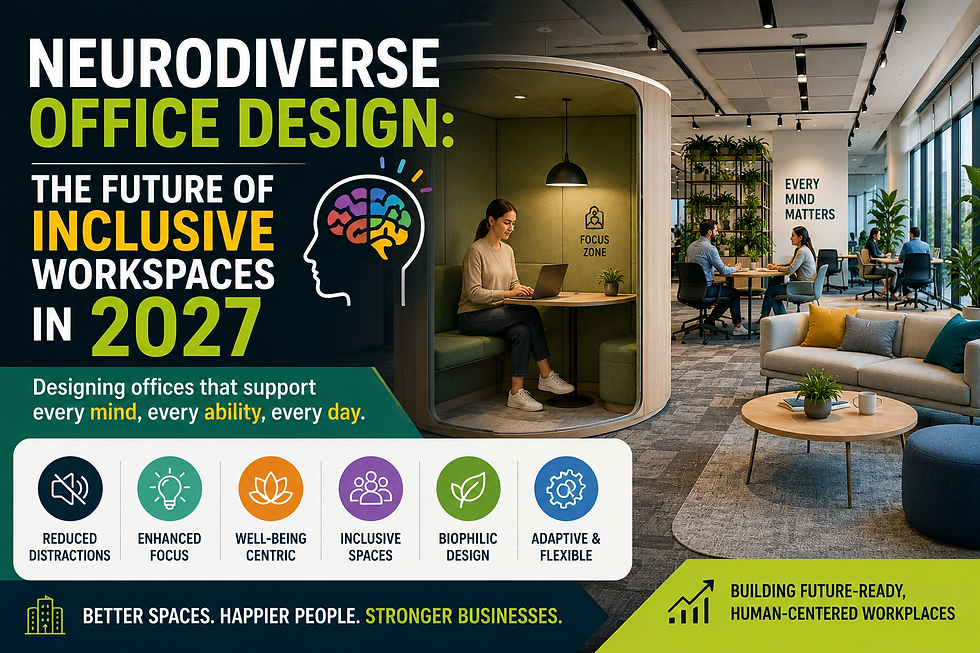
Acoustic control solutions
Wellness rooms or quiet spaces
A comfortable and healthy environment leads to better engagement and higher productivity.
6. Bold Brand Identity Integration
Commercial spaces are becoming powerful branding tools. Interior design now reflects company culture, values, and vision.
Trending branding strategies include:
Custom wall graphics
Statement reception areas
Brand color integration
Feature walls and artistic installations
A strong visual identity creates memorable experiences for clients and employees.
7. Collaborative & Creative Zones
Modern workplaces encourage teamwork and innovation. Instead of rigid layouts, trending designs include open collaboration areas.
Features include:
Informal meeting lounges
Breakout spaces
Interactive brainstorming zones
Flexible furniture setups
These spaces encourage communication and idea-sharing.
8. Minimalist & Clean Aesthetics
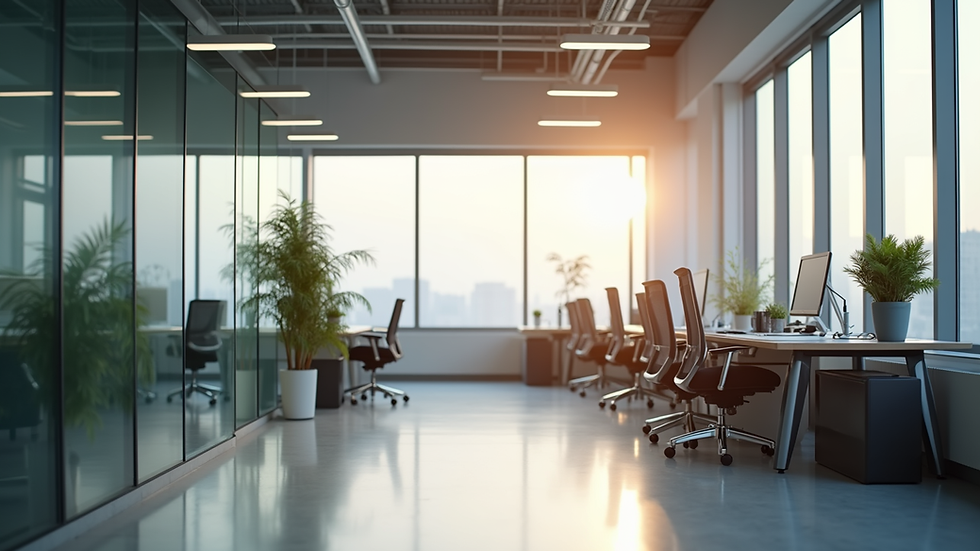
Simplicity is a major trend in commercial interiors. Clean lines, neutral palettes, and clutter-free layouts create a professional and focused environment.
Minimalism enhances:
Visual clarity
Efficient space usage
Calm atmosphere
Modern appeal
A balanced mix of textures adds warmth without overcrowding the design.
The Future of Commercial Interior Design
The future of commercial spaces lies in adaptability, sustainability, and smart functionality. Offices must evolve continuously to support changing business models and workforce expectations.
Trending commercial interiors are:
✔ Flexible
✔ Technology-driven
✔ Environmentally responsible
✔ Employee-focused
✔ Brand-aligned
Companies that invest in thoughtful interior design gain competitive advantages through improved productivity, stronger culture, and enhanced client impressions.
Conclusion
Trending commercial interior design is about more than style — it is about strategy. Businesses today require spaces that are intelligent, adaptable, sustainable, and inspiring. By integrating smart technology, wellness features, biophilic elements, and flexible layouts, organizations can create future-ready environments that support growth and innovation.
A well-designed commercial space not only reflects professionalism but also drives performance and long-term success. Investing in modern interior design is investing in your business future.
Comments